
Relier la technologie et la santé : une dynamique au service de tous
Dans un monde où les avancées technologiques s’invitent au cœur de notre quotidien, la santé ne fait pas exception. La convergence entre innovation technologique et pratiques médicales bouleverse les équilibres traditionnels, ouvre de nouveaux horizons et pose des défis inédits. Chez Santé et Technologies Innovantes Connectées, notre collectif s’engage à décrypter ces mutations, à faire dialoguer la recherche, la clinique, et l’ingénierie, et à partager les enjeux réels de cette transformation.
Cette dynamique n’est pas qu’un simple changement d’outils ou d’usages : elle questionne le rapport au soin, le rôle du soignant, la place du patient et la responsabilité collective. Nous pensons que la technologie n’est pertinente que si elle sert la santé humaine, améliore la prise en charge et contribue à une médecine plus équitable, plus efficace et plus humaine. C’est la raison d’être de ce blog, pensé comme un espace d’exploration, d’analyse et d’ouverture.

Comprendre les innovations technologiques : du laboratoire à la pratique clinique
La révolution numérique a bouleversé le paysage médical. Intelligence artificielle, objets connectés, big data, réalité virtuelle, robots chirurgicaux : chaque semaine, des innovations font la une. Mais que recouvrent ces technologies ? Comment passent-elles du laboratoire à la pratique quotidienne ? Quels sont les vrais apports, les limites, les enjeux méthodologiques ?
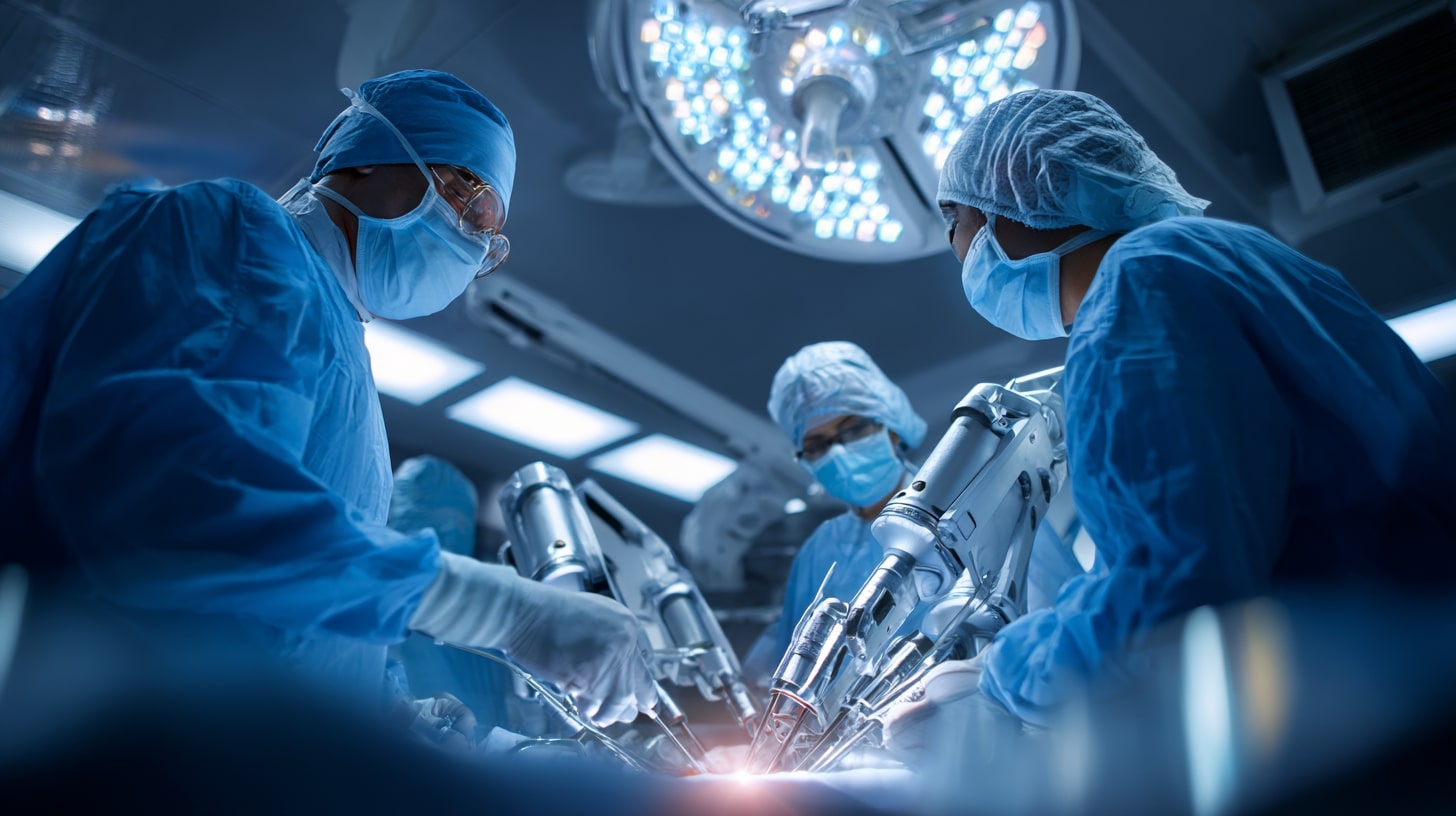
Nous analysons ici les tendances de fond, les ruptures et les continuités. Par exemple, l’essor de l’intelligence artificielle dans l’aide au diagnostic ou l’interprétation d’images médicales ne se limite pas à une question d’algorithmes : il s’agit de revoir toute la chaîne de valeur, de la collecte des données à l’interprétation en situation clinique. Les outils de télémédecine transforment la relation médecin-patient, mais interrogent aussi la sécurité, la confidentialité, et la qualité du suivi. Quant à la robotique, elle ne se limite pas au geste technique : elle impose de repenser la formation des soignants, l’organisation des équipes, et la définition même de l’expertise médicale.
Notre approche privilégie le décryptage méthodique :
- Quels sont les principes scientifiques qui sous-tendent ces innovations ?
- Quelles preuves de concept, quelles validations cliniques existent ?
- Où en est la mise en œuvre réelle dans les hôpitaux, les cabinets, les centres de soins ?
- Quels sont les obstacles techniques, organisationnels ou éthiques ?
Nous pensons qu’il est essentiel de dépasser l’effet de nouveauté pour comprendre ce qui fonctionne vraiment, ce qui est en construction, et ce qui mérite débat.

Les défis éthiques, humains et organisationnels de la santé connectée
Derrière chaque innovation, il y a des choix de société. Le développement des technologies en santé n’est pas neutre : il pose des questions majeures sur la confidentialité, la souveraineté des données, l’équité d’accès et la transformation des métiers du soin. Notre collectif accorde une attention particulière à ces enjeux.
La santé connectée implique un nouvel équilibre entre l’autonomie du patient, l’expertise médicale et la place des systèmes techniques. Comment garantir que la technologie reste au service de l’humain, et non l’inverse ? Quels garde-fous mettre en place pour préserver la confiance, la qualité et la sécurité des soins ? Nous défendons l’idée que l’éthique ne peut être une réflexion annexe ou tardive : elle doit accompagner chaque étape, de la conception à la mise en pratique des outils.
Les transformations organisationnelles sont tout aussi cruciales. L’intégration d’un nouveau logiciel de dossier patient, l’adoption de la télésurveillance, ou l’automatisation de tâches administratives peuvent bouleverser la répartition du temps, les relations entre professionnels, et la dynamique des équipes. Le risque serait de croire à un progrès automatique : nous pensons qu’il faut, au contraire, une démarche d’accompagnement, de dialogue et de formation continue.
Sur ce blog, nous partageons des analyses, des retours d’expérience institutionnels, et des synthèses d’études pour éclairer la dimension systémique de l’innovation médicale. Nous voulons contribuer à une réflexion collective sur les modèles de gouvernance, les principes d’équité et les formes possibles d’une innovation responsable.

Vers une innovation médicale partagée et ouverte
Notre ambition, avec Santé et Technologies Innovantes Connectées, est de participer à une innovation ouverte, partagée, et ancrée dans la réalité des besoins. Nous croyons à l’intelligence collective : les progrès en santé ne naissent pas dans l’isolement, mais dans la rencontre des disciplines, des points de vue et des usages.
Pour cela, nous voulons rendre lisible et accessible la complexité des évolutions en cours, sans simplifier à l’extrême ni céder à l’effet de mode. Nous privilégions une approche rigoureuse : chaque sujet est traité avec exigence scientifique, mais aussi pédagogie, pour permettre à tous les lecteurs – professionnels, étudiants, citoyens intéressés – de s’approprier les enjeux et de contribuer au débat.
L’innovation médicale ne se résume pas à une course à la performance technique : elle doit s’inscrire dans un projet de société où le soin, la solidarité et la confiance demeurent des valeurs centrales. Nous voulons défendre une vision exigeante, critique, mais résolument optimiste du progrès en santé.
À travers ce blog, nous invitons chacun à questionner, à comprendre et à imaginer ensemble les futurs possibles de la médecine, de la prévention et de l’accompagnement des patients. Parce que la technologie n’a de sens qu’au service d’une santé plus humaine, plus juste et plus ouverte.